
How to Sleep Better Naturally: 12 Science-Backed Tips That Really Work
✓ Quick Summary
⏱ Best for people who struggle to fall asleep naturally
📖 Reading Time: 8 minutes
📚 Science-backed recommendations
🛍 Includes our favorite sleep products
🔄Updated: June 2026
¿Why you may not be sleeping well?
Have you ever climbed into bed feeling completely exhausted, only to spend hours staring at the ceiling? Or maybe you fall asleep quickly but wake up several times during the night, leaving you just as tired in the morning.
If that sounds familiar, you're far from alone. Millions of adults struggle with poor sleep, even when they desperately want to rest.
The frustrating part is that many people assume the solution is simply going to bed earlier or sleeping longer.
In reality, quality sleep depends on many factors—including your daily habits, stress levels, bedroom environment, diet, light exposure, and even the temperature of your room.
The good news is that improving your sleep doesn't always require medication. Modern sleep research has identified simple, natural strategies that can significantly improve both sleep quality and overall health.
In this guide, you'll discover 12 science-backed tips that actually work. Whether you're dealing with occasional restless nights or long-term sleep problems, these practical changes can help you wake up feeling refreshed, energized, and ready for the day.

¿Why Good Sleep Matters?
Sleep is far more than just a period of rest. While you sleep, your body performs essential maintenance that affects nearly every aspect of your physical and mental health.
During deep sleep, your brain consolidates memories, removes metabolic waste, regulates hormones, repairs tissues, strengthens your immune system, and helps balance emotions.
Consistently getting enough high-quality sleep has been linked to improved concentration, better mood, stronger immunity, healthier weight management, lower risk of cardiovascular disease, and enhanced long-term brain health.
On the other hand, chronic sleep deprivation has been associated with increased stress hormones, impaired decision-making, reduced productivity, higher inflammation, and a greater risk of conditions such as obesity, type 2 diabetes, depression, and hypertension.
Simply put, sleep is one of the most powerful—and often overlooked—pillars of good health.
Improving your sleep isn't just about feeling less tired tomorrow; it's an investment in your long-term physical health, emotional well-being, and overall quality of life.
Tip #1: Keep a Consistent Sleep Schedule
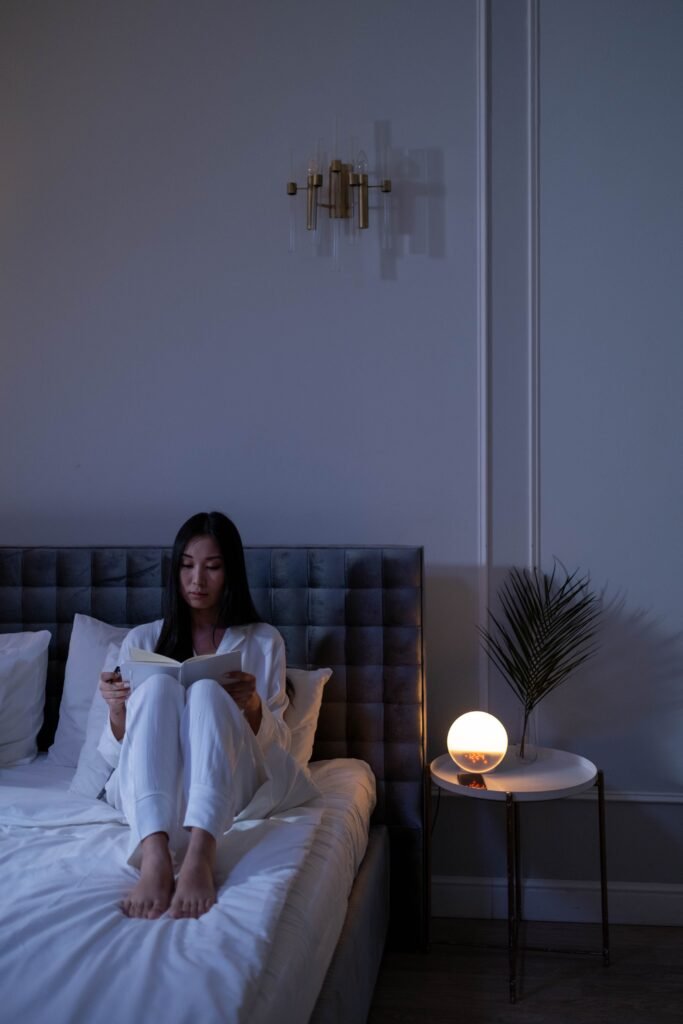
Going to bed and waking up at the same time every day helps regulate your body's internal clock, known as the circadian rhythm. When your sleep schedule changes frequently, your body struggles to know when to feel alert and when to rest. Consistency can improve sleep quality, reduce nighttime awakenings, and make it easier to fall asleep naturally. Try to maintain the same schedule even on weekends whenever possible.
Tip #2: Reduce Screen Time Before Bed
Phones, tablets, and televisions emit blue light that can interfere with the production of melatonin, the hormone that helps regulate sleep. Using screens late at night may make it harder to fall asleep and reduce sleep quality. Consider turning off electronic devices at least 30 to 60 minutes before bedtime and replacing screen time with reading, stretching, or relaxation exercises.
Tip #3: Limit Caffeine in the Afternoon
Caffeine can stay in your system for several hours and may affect your ability to fall asleep even if you don't feel stimulated. Coffee, tea, energy drinks, and some soft drinks can all contribute to sleep disturbances. To improve sleep quality, try limiting caffeine intake after lunch and choose herbal teas or water in the evening instead.
Tip #4: Keep Your Bedroom Cool
A cool sleeping environment helps signal to your body that it is time to rest. Most people sleep best when the room temperature is slightly cool rather than warm. If your bedroom feels uncomfortable, consider lowering the thermostat, using breathable bedding, or improving air circulation. A comfortable sleep environment can help you fall asleep faster and stay asleep longer.

Tip #5: Get Morning Sunlight
Natural sunlight helps regulate your circadian rhythm and supports healthy melatonin production later in the day. Spending even 15 to 30 minutes outdoors in the morning can improve sleep quality and help you feel more alert during the day. Regular exposure to daylight is one of the simplest and most effective ways to support better sleep naturally.
Tip #6: Exercise Regularly
Physical activity can improve sleep quality, reduce stress, and help you fall asleep more quickly. Moderate exercise such as walking, cycling, or strength training can be especially beneficial when performed consistently. While exercise is helpful, intense workouts too close to bedtime may make it harder for some people to relax and fall asleep.
Tip #7: Avoid Heavy Meals Before Bed
Eating large meals late at night can cause discomfort, indigestion, and acid reflux, all of which may interfere with sleep. Try to finish your last substantial meal at least two to three hours before bedtime. If you feel hungry later in the evening, choose a light snack rather than a heavy meal.
Tip #8: Create a Relaxing Bedtime Routine
A calming evening routine helps prepare your mind and body for sleep. Activities such as reading, prayer, meditation, gentle stretching, or taking a warm shower can signal that it's time to unwind. Following the same routine each night can improve sleep consistency and help reduce bedtime stress.
Tip #9: Manage Stress and Anxiety
Stress is one of the most common causes of poor sleep. Racing thoughts and worry can make it difficult to relax and fall asleep. Practicing mindfulness, deep breathing, journaling, or other relaxation techniques can help calm the mind. Addressing daily stress levels often leads to noticeable improvements in sleep quality.
Tip #10: Reduce Noise and Light
Even small amounts of light and noise can disrupt sleep. Consider using blackout curtains, earplugs, or a white noise machine to create a more peaceful environment. Minimizing distractions in your bedroom can help you sleep more deeply and reduce nighttime awakenings.
Tip #11: Choose the Right Mattress and Pillow
Your mattress and pillow play an important role in sleep comfort and spinal alignment. An uncomfortable sleeping surface can contribute to aches, pains, and frequent awakenings. Investing in supportive sleep products that match your sleeping position can improve comfort and help you wake up feeling refreshed.
Tip #12: Be Patient and Stay Consistent
Improving sleep naturally takes time. While some changes may produce quick results, lasting improvements usually come from consistent habits practiced over several weeks. Focus on making small, sustainable adjustments rather than trying to change everything at once. Consistency is often the key to long-term sleep success.
Products That Can Help
These are three of our favorite sleep products based on customer reviews, overall value, comfort, and effectiveness. Each product has earned thousands of positive ratings and can help support healthier sleep habits.
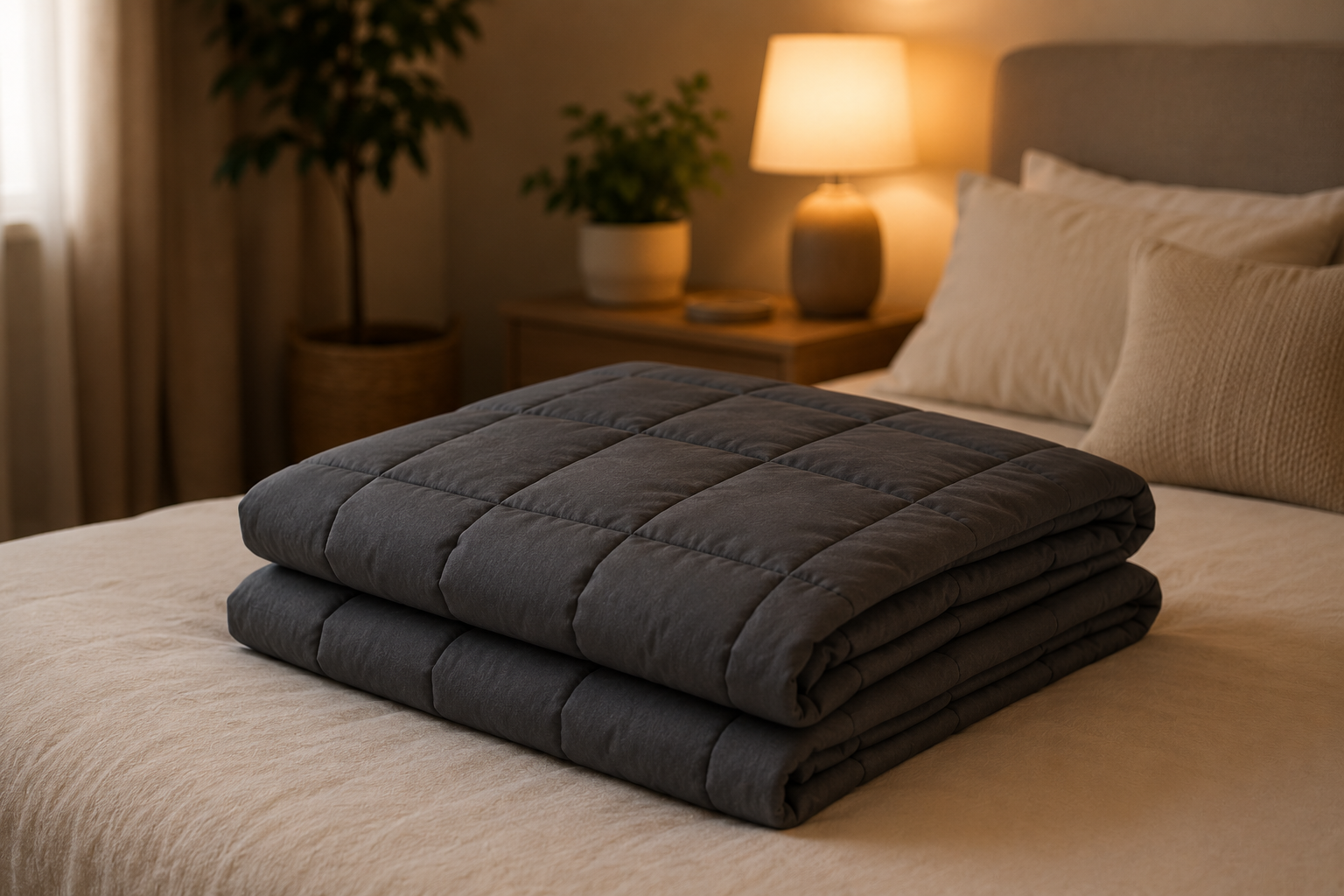
- Editor's Pick -
Weighted Blanket
Relax Naturally with Gentle, Even Pressure
The YnM Weighted Blanket is one of Amazon's best-selling sleep products, designed to help you relax and enjoy deeper, more restful sleep.
Its evenly distributed weight provides a gentle, calming sensation that may reduce stress and promote relaxation.
Made with soft, breathable cotton and available in multiple sizes and weights, it's an excellent choice for anyone looking to improve their bedtime routine naturally.
Why We Like It:
✔Promotes deeper sleep
✔Helps reduce stress
✔Soft breathable cotton
✔Even weight distribution
Best For: People who want deeper, more relaxing sleep naturally.
⭐ Amazon's Choice
Check Price on Amazon ➜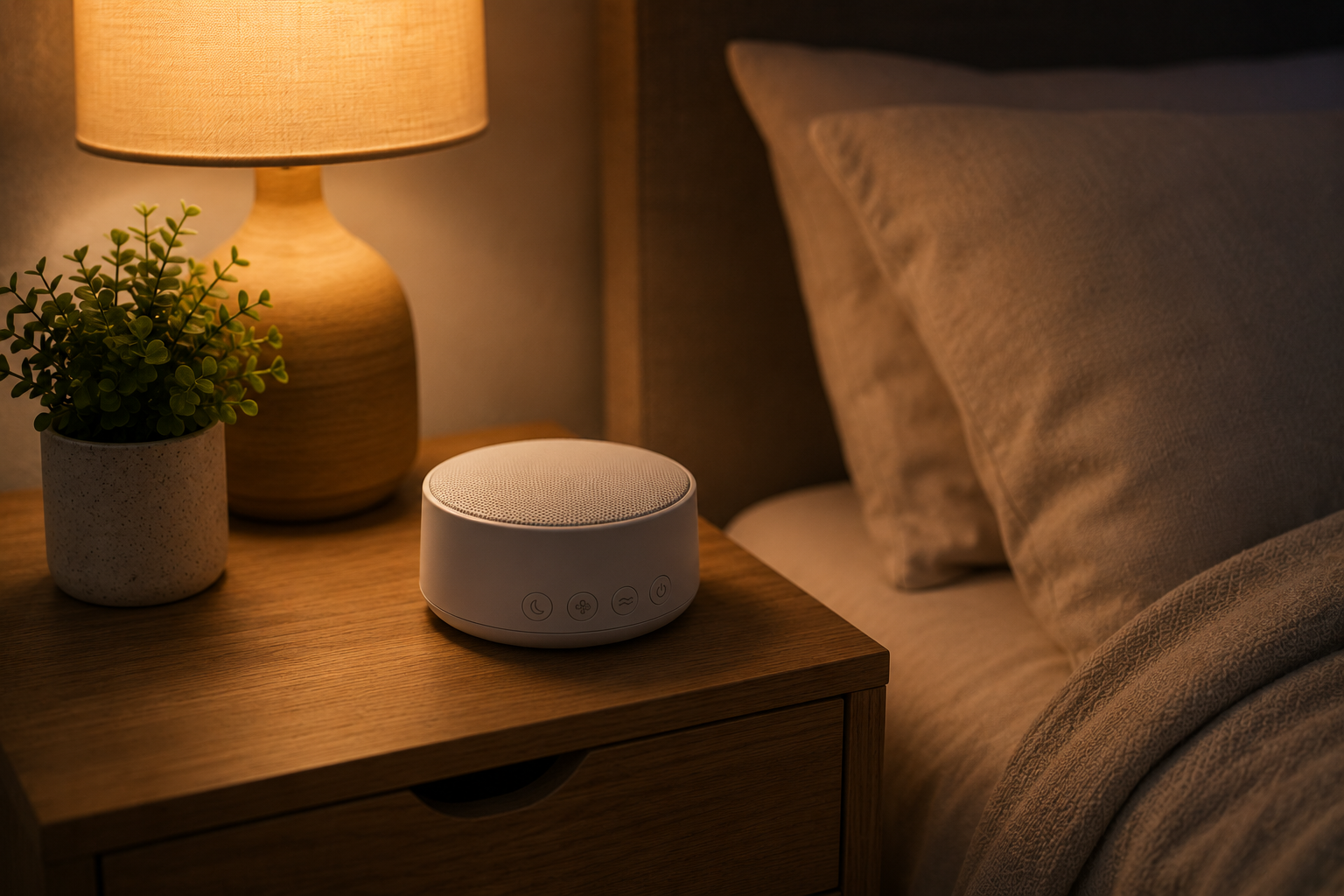
- Best Value -
White Noise Machine
Sleep Better by Blocking Everyday Noise
A quality white noise machine can make a remarkable difference if outside sounds regularly interrupt your sleep.
The Yogasleep Dohm Classic creates natural fan-based white noise that helps mask traffic, neighbors, snoring, and other distractions, allowing you to fall asleep faster and stay asleep longer.
It's compact, reliable, and one of the most trusted sleep machines available—making it an excellent value for anyone looking to improve sleep without spending a fortune.
Why We Like It:
✔Natural fan-based white noise
✔Masks background sounds
✔Easy one-knob operation
✔Great value for the price
Best For: Light sleepers affected by traffic, snoring, or apartment noise.
⭐ 19,800+ Happy Customers
Check Price on Amazon ➜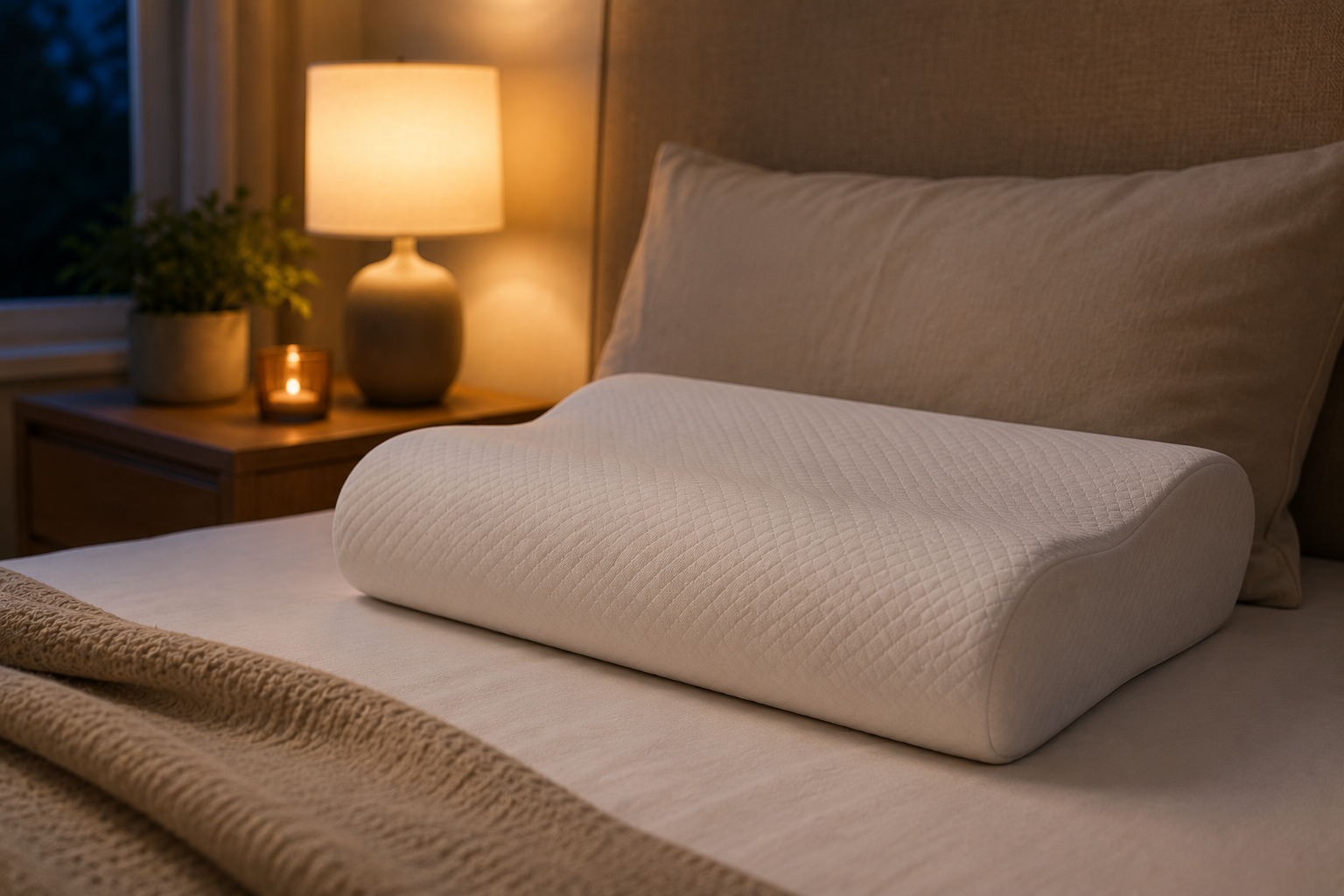
- Best for Neck Support -
Memory Foam Pillow
Wake Up Without Neck Pain
If you often wake up with neck pain, shoulder stiffness, or headaches, your pillow may be part of the problem.
A high-quality memory foam pillow contours to your head and neck, providing proper spinal alignment and pressure relief throughout the night.
Designed for both side and back sleepers, it helps improve comfort, reduce morning aches, and promote deeper, more restorative sleep.
Why We Like It:
✔Supports proper spinal alignment
✔Relieves neck and shoulder pressure
✔High-density memory foam
✔Comfortable for side and back sleepers
Best For: People who wake up with neck pain or shoulder stiffness.